
Iran Recloses Strait of Hormuz: IRGC Fires on Ships as US Blockade Holds
• Spotlight Politics Today
Crisis in the Strait of Hormuz: Why Global Energy Markets Are on Edge Again

The global energy landscape shifted dramatically on Saturday, April 18, 2026, as Iran’s Revolutionary Guard announced it had reinstated 'strict management and control' over the Strait of Hormuz,,. This sudden reversal of a brief reopening has reignited fears of a deepening global energy crisis and pushed the United States and Iran closer to renewed military conflict,.
The Reversal and the Retaliation
Just one day after signals suggested the crucial waterway was reopening to commercial traffic, the standoff escalated when Iranian gunboats opened fire on a tanker and a container vessel attempting to pass,,. This move serves as a direct retaliation against the United States' ongoing blockade of Iranian ports, which President Donald Trump has vowed will remain in 'full force' until a new nuclear and security deal is reached.
Key details of the escalation include:
- Military Action: The IRGC fired on ships, including two India-flagged merchant vessels, leading to a diplomatic summons of Iran's ambassador by India’s foreign ministry.
- Iranian Control: Tehran’s Supreme National Security Council declared that Iran will prevent any 'conditional and limited reopening' of the strait while the U.S. blockade persists.
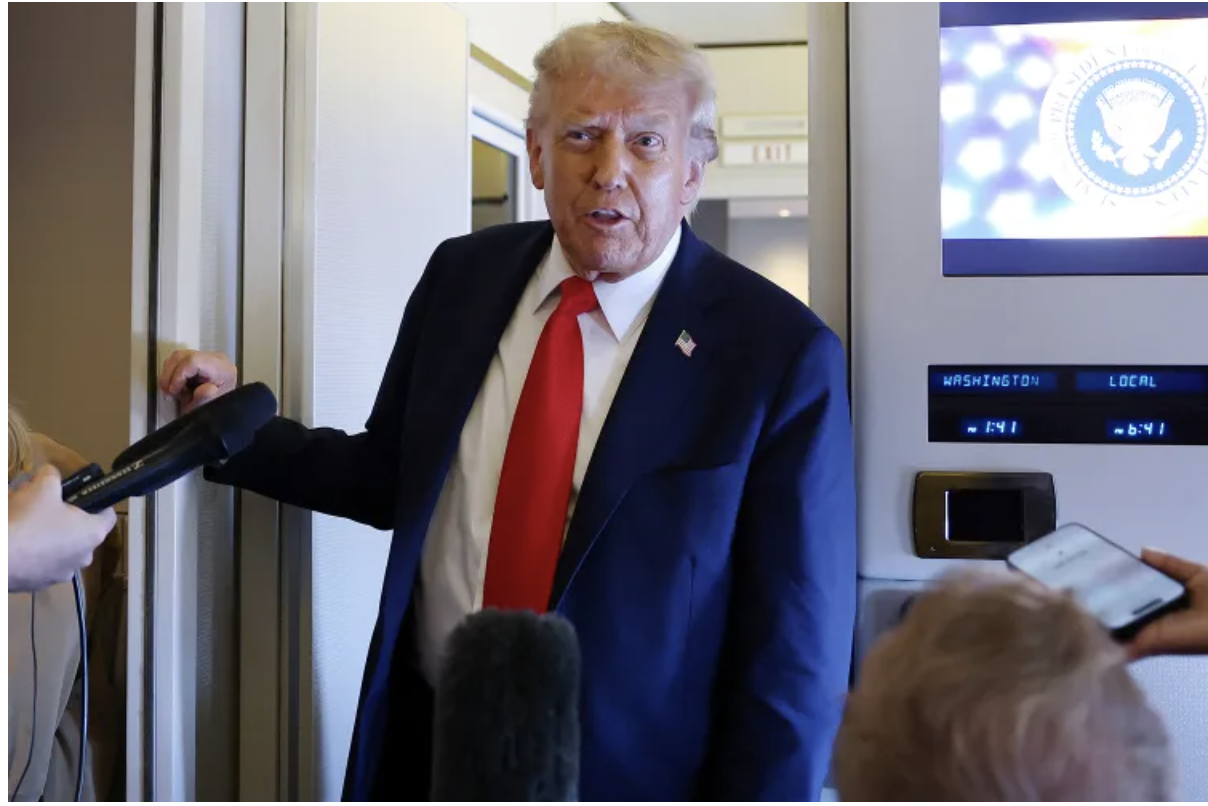
- U.S. Stance: President Trump, speaking from Air Force One, flatly rejected Iranian restrictions or tolls, stating that while a deal is 'going to happen,' the U.S. will not be 'blackmailed',,.
Why the Strait of Hormuz Matters to You
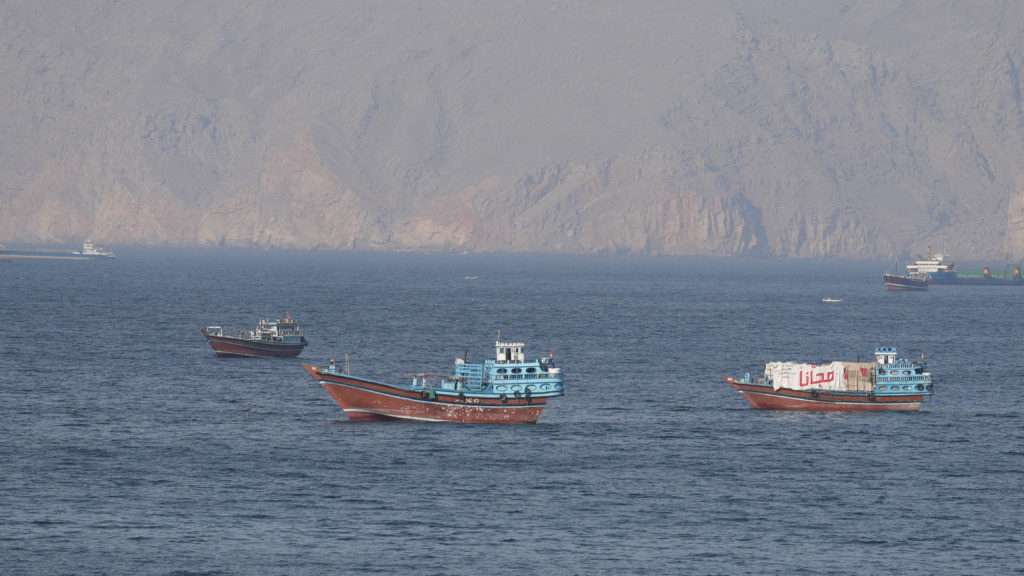
The Strait of Hormuz is the world's most important oil chokepoint, through which approximately 20% of the world's crude oil and natural gas normally passes,.
When Iran briefly announced the reopening of the strait on Friday, global oil prices tumbled and stock markets rallied,,. However, the subsequent re-closure and reports of firing on merchant ships have brought back 'traffic and trepidation' to the Persian Gulf, potentially preventing gasoline prices from dropping in the near future,,.
A Fragile Peace in Lebanon
The maritime crisis is unfolding against the backdrop of a tenuous 10-day ceasefire between Israel and the Iranian-backed militant group Hezbollah in Lebanon,,. While thousands of displaced Lebanese citizens are attempting to return to their homes, the peace is under immense pressure,.
On Saturday, French President Emmanuel Macron accused Hezbollah of killing a French UN peacekeeper and wounding three others in southern Lebanon,,. This attack, combined with Israel's refusal to withdraw from its 'security buffer zone,' highlights how easily the regional conflict could reignite,,.
:max_bytes(150000):strip_icc():focal(999x0:1001x2):format(webp)/Donald-Trump-021425-1-acbc5bc8b2fc4a188d08c983ed030b59.jpg)
What Happens Next?
The world is now looking toward Pakistan, which is acting as a mediator to bridge the 'maximalist positions' of both Washington and Tehran,,. A second round of direct negotiations is expected early next week.
However, the clock is ticking; a fragile ceasefire is set to expire by Wednesday, and President Trump has hinted that if no deal is reached, the U.S. may 'start dropping bombs again' while maintaining its naval blockade,,